
Introduction
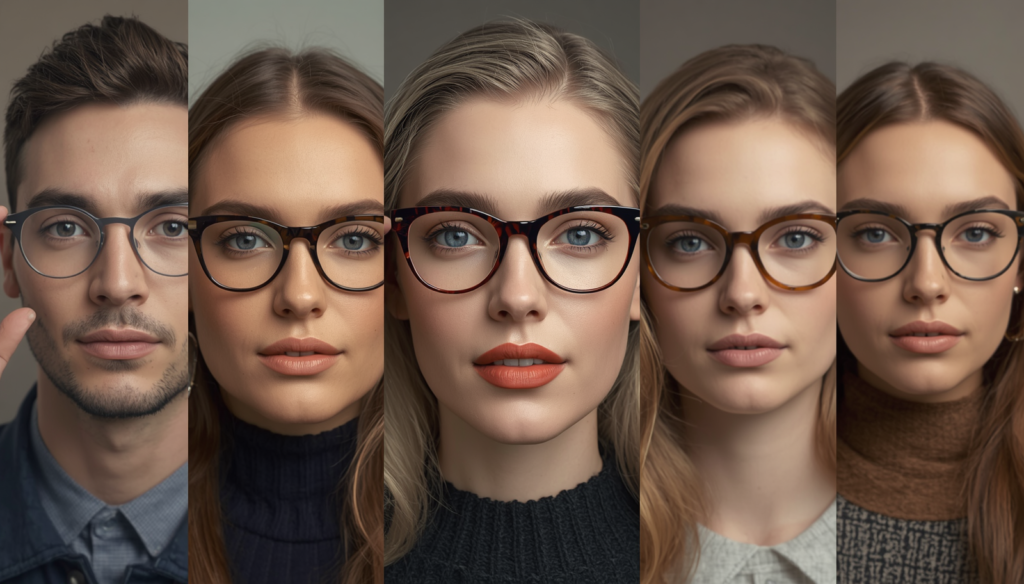
Choosing the right glasses involves more than vision correction. Glasses affect facial balance, highlight facial features, and influence personal style. The shape of eyeglass frames can either complement facial proportions or create imbalance.
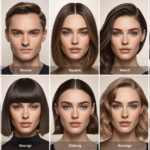
Understanding face shape helps people select frames that match their forehead width, cheekbones, jawline, and face length. Different frame styles change how the face appears by adding softness, structure, width, or length.
This guide explains how to choose glasses that suit every face shape, common frame styles, fitting tips, and mistakes to avoid during frame selection.
Why Face Shape Matters When Choosing Glasses
Glasses sit at the center of the face, making them one of the most noticeable accessories. The correct frame shape can:
- Balance facial proportions
- Highlight facial structure
- Reduce sharp angles
- Add definition
- Improve facial symmetry
Poor frame choices may exaggerate facial imbalance.
Main Face Shapes
The most common face shapes include:
- Oval
- Round
- Square
- Heart
- Diamond
- Rectangle
- Triangle
Each face shape works better with specific frame styles.
Understanding Eyeglass Frame Shapes
Frame shape changes facial appearance in different ways.
Round Frames
- Soften sharp facial lines
- Create smoother appearance
Square Frames
- Add structure
- Increase definition
Rectangle Frames
- Add length
- Create angular balance
Oval Frames
- Soften proportions
- Reduce sharpness
Cat-Eye Frames
- Draw attention upward
- Add lift to the face
Aviator Frames
- Balance forehead and jawline
- Add width near cheeks
Best Glasses for Oval Face Shape
Oval faces have balanced proportions, allowing flexibility in frame selection.
Features of Oval Faces
- Longer than wide
- Rounded jawline
- Balanced cheekbones
- Slightly wider forehead
Recommended Glasses for Oval Faces
Square Frames
Square frames add structure without disrupting balance.
Rectangle Frames
Rectangle frames maintain proportional appearance.
Round Frames
Round styles complement facial symmetry.
Aviator Frames
Aviators fit balanced facial proportions well.
Geometric Frames
Geometric designs create visual interest.
Frames to Avoid
Avoid oversized frames that overpower balanced features.
Best Glasses for Round Face Shape
Round faces benefit from frames that add structure and definition.
Features of Round Faces
- Full cheeks
- Rounded jawline
- Soft facial curves
- Similar width and length
Recommended Glasses for Round Faces
Rectangle Frames
Rectangle frames create facial definition.
Square Frames
Sharp edges balance soft facial curves.
Angular Frames
Angular styles reduce round appearance.
Cat-Eye Frames
Cat-eye frames add lift and structure.
Browline Frames
Strong upper lines create visual balance.
Frames to Avoid
Avoid:
- Small round frames
- Circular designs
- Oversized curved frames
These styles increase facial roundness.
Best Glasses for Square Face Shape
Square faces benefit from frames that soften angular features.
Features of Square Faces
- Strong jawline
- Wide forehead
- Sharp facial structure
- Equal face width and length
Recommended Glasses for Square Faces
Round Frames
Round shapes soften facial angles.
Oval Frames
Oval frames reduce jawline sharpness.
Thin Frames
Slim frames prevent excessive structure.
Curved Aviators
Curved styles balance strong jawlines.
Rimless Frames
Rimless designs soften facial definition.
Frames to Avoid
Avoid:
- Boxy frames
- Sharp rectangular designs
- Thick angular frames
These styles emphasize facial angles.
Best Glasses for Heart Face Shape
Heart-shaped faces benefit from frames that balance forehead width and narrow chin structure.
Features of Heart Faces
- Wide forehead
- Narrow chin
- High cheekbones
- Tapered jawline
Recommended Glasses for Heart Faces
Bottom-Heavy Frames
These add balance near the lower face.
Oval Frames
Oval frames soften forehead width.
Rimless Frames
Rimless styles reduce upper-face emphasis.
Aviator Frames
Aviators balance forehead proportions.
Light-Colored Frames
Lighter frames create softer facial balance.
Frames to Avoid
Avoid:
- Heavy top frames
- Decorative upper corners
- Thick browline frames
These styles increase forehead dominance.
Best Glasses for Diamond Face Shape
Diamond faces benefit from frames that soften cheekbone prominence.
Features of Diamond Faces
- Wide cheekbones
- Narrow forehead
- Narrow chin
- Defined facial angles
Recommended Glasses for Diamond Faces
Oval Frames
Oval frames soften angular structure.
Cat-Eye Frames
Cat-eye styles add forehead width.
Rimless Frames
Rimless frames reduce cheek emphasis.
Browline Frames
Upper detailing balances forehead proportions.
Round Frames
Round frames soften cheekbone sharpness.
Frames to Avoid
Avoid:
- Narrow frames
- Thin horizontal designs
These styles increase cheekbone prominence.
Best Glasses for Rectangle Face Shape
Rectangle faces benefit from frames that reduce facial length appearance.
Features of Rectangle Faces
- Long face structure
- Straight facial lines
- Broad forehead
- Strong jawline
Recommended Glasses for Rectangle Faces
Oversized Frames
Large frames reduce facial length appearance.
Tall Frames
Tall lenses balance long proportions.
Round Frames
Round shapes soften facial length.
Decorative Frames
Detailed frames create width emphasis.
Aviator Frames
Wide designs improve facial balance.
Frames to Avoid
Avoid:
- Small narrow frames
- Thin rectangular designs
These styles increase face length appearance.
Best Glasses for Triangle Face Shape
Triangle faces benefit from frames that widen the upper face.
Features of Triangle Faces
- Wide jawline
- Narrow forehead
- Lower-face dominance
Recommended Glasses for Triangle Faces
Browline Frames
Strong upper lines add forehead width.
Cat-Eye Frames
Cat-eye styles lift upper-face appearance.
Decorative Upper Frames
Top detailing balances jawline width.
Wide Frames
Wide frames improve upper-face proportions.
Semi-Rimless Frames
Upper emphasis improves balance.
Frames to Avoid
Avoid:
- Bottom-heavy frames
- Narrow top designs
These styles emphasize lower-face width.
Frame Size and Face Shape
Frame size matters as much as frame shape.
Small Frames
Best for smaller facial proportions.
Large Frames
Best for longer or wider faces.
Medium Frames
Balanced option for most face shapes.
Frames should match overall face width.
Choosing Glasses Based on Skin Tone
Skin tone affects frame appearance.
Warm Skin Tones
Common frame colors include:
- Brown
- Gold
- Beige
- Olive
Cool Skin Tones
Common frame colors include:
- Black
- Silver
- Gray
- Blue
Frame color changes overall appearance.
Glasses and Nose Shape
Bridge design affects comfort and appearance.
Low Bridge
Requires adjustable nose pads.
High Bridge
Works well with standard frames.
Bridge fit affects frame positioning.
Glasses for Men Based on Face Shape
Men often choose frames that:
- Add structure
- Define facial lines
- Match beard styles
Frame thickness and shape influence masculine styling balance.
Glasses for Women Based on Face Shape
Women often select frames that:
- Highlight cheekbones
- Lift facial appearance
- Soften jawlines
- Match hairstyles
Frame shape strongly affects overall styling.
Common Mistakes When Choosing Glasses
Ignoring Face Shape
Trendy frames may not suit facial proportions.
Choosing Oversized Frames
Very large frames can overpower facial structure.
Matching Frames to Face Shape Exactly
Round faces with round frames or square faces with square frames may exaggerate proportions.
Contrast usually works better.
Ignoring Comfort
Appearance matters, but comfort is also important.
Choosing Frames Too Wide
Frames wider than the face create imbalance.
Glasses and Hairstyle Combination
Hairstyles influence how glasses appear.
Examples include:
- Bangs changing frame visibility
- Side parts balancing frame width
- Long hair softening frame angles
Hair and glasses should work together visually.
Sunglasses and Face Shape
Sunglasses follow the same face shape principles as prescription glasses.
Popular styles include:
- Aviators
- Wayfarers
- Round sunglasses
- Oversized sunglasses
- Cat-eye sunglasses
Frame balance remains important.
Material Types and Face Shape
Frame materials affect appearance.
Metal Frames
Create lighter visual structure.
Plastic Frames
Provide stronger shape definition.
Rimless Frames
Reduce frame visibility.
Semi-Rimless Frames
Balance structure and softness.
How Professionals Recommend Glasses
Opticians and stylists consider:
- Face shape
- Eye spacing
- Nose shape
- Skin tone
- Hairstyle
- Personal style preferences
Professional fitting improves both comfort and appearance.
Tips for Choosing the Right Glasses
- Measure face width
- Compare frame proportions
- Choose contrast between face shape and frame shape
- Ensure proper bridge fit
- Consider hairstyle and grooming style
- Try multiple frame types before choosing
Balanced proportions improve overall appearance.
Online Glasses Try-On Tools
Modern websites and apps provide virtual try-on systems using facial recognition.
These tools help users:
- Preview frame styles
- Compare shapes
- Test sizing
Virtual tools improve online shopping decisions.
Conclusion
Choosing glasses that suit face shape helps create balanced facial proportions and improves personal styling. Oval, round, square, heart, diamond, rectangle, and triangle face shapes each work better with specific frame styles and structures.
The right glasses can soften angles, reduce facial length, create definition, or balance forehead and jawline proportions. Frame shape, size, material, and bridge design all contribute to overall appearance and comfort.
Understanding face shape allows people to choose glasses that match their facial structure while supporting both function and personal style.