
Introduction
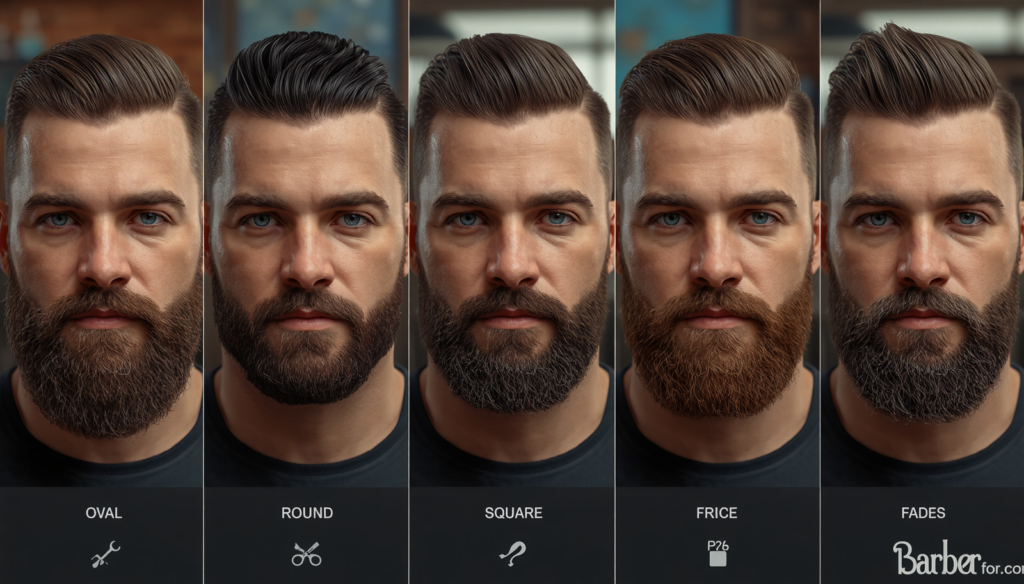
Beard styling plays an important role in facial appearance and grooming. The right beard style can improve facial balance, define the jawline, reduce sharp angles, add structure, or create a longer facial appearance depending on face shape.
Different beard styles suit different facial proportions. A beard that looks balanced on one face shape may not suit another. Understanding facial structure helps people choose beard styles that match their jawline, chin shape, cheek width, and face length.
This guide explains beard styles based on face shape, grooming techniques, beard lengths, and common mistakes to avoid when selecting facial hair styles.
Why Face Shape Matters for Beard Styles
Beards change how the lower part of the face appears. Facial hair can:
- Define jawlines
- Add facial length
- Reduce roundness
- Soften angles
- Increase chin width
- Improve facial balance
The goal is to create balanced facial proportions.
Main Face Shapes
The most common face shapes include:
- Oval
- Round
- Square
- Heart
- Diamond
- Rectangle
- Triangle
Each face shape benefits from different beard structures and lengths.
Understanding Beard Growth Areas
Beard styles depend on hair growth patterns in several areas.
Chin Area
Adds facial length and definition.
Jawline Area
Changes lower-face width and structure.
Mustache Area
Balances upper and lower facial proportions.
Sideburn Area
Affects cheek width and facial balance.
Understanding these areas helps shape the beard properly.
Best Beard Styles for Oval Face Shape
Oval faces have balanced proportions, making them suitable for many beard styles.
Features of Oval Faces
- Balanced facial structure
- Rounded jawline
- Longer than wide
- Symmetrical proportions
Recommended Beard Styles for Oval Faces
Full Beard
A full beard maintains natural facial balance.
Short Boxed Beard
Adds structure without changing proportions.
Stubble Beard
Light stubble works well with balanced features.
Goatee Styles
Goatees highlight chin structure.
Beard Fade Styles
Faded sides maintain facial symmetry.
Beard Styles to Avoid
Avoid extremely long beards because they may over-lengthen the face.
Best Beard Styles for Round Face Shape
Round faces benefit from beard styles that create definition and length.
Features of Round Faces
- Soft jawline
- Full cheeks
- Equal width and length
- Rounded appearance
Recommended Beard Styles for Round Faces
Extended Goatee
Adds length to the lower face.
Anchor Beard
Creates sharper chin definition.
Short Sides With Longer Chin
Narrow sides reduce facial width.
Ducktail Beard
Adds vertical structure.
Balbo Beard
Creates angular appearance.
Beard Styles to Avoid
Avoid:
- Wide sideburn-heavy beards
- Rounded full beards
- Thick cheek volume
These styles increase facial width.
Best Beard Styles for Square Face Shape
Square faces benefit from beard styles that soften strong jawlines.
Features of Square Faces
- Strong jawline
- Broad forehead
- Angular structure
- Equal width and length
Recommended Beard Styles for Square Faces
Rounded Full Beard
Softens facial angles.
Circle Beard
Reduces jaw sharpness.
Short Beard With Rounded Edges
Creates smoother proportions.
Chin-Focused Beard
Balances broad jawlines.
Medium-Length Beard
Adds softness without excessive width.
Beard Styles to Avoid
Avoid:
- Sharp boxed beards
- Extremely straight beard lines
- Very square beard shapes
These styles exaggerate jaw angles.
Best Beard Styles for Heart Face Shape
Heart-shaped faces benefit from beard styles that add width near the chin.
Features of Heart Faces
- Wide forehead
- Narrow chin
- Tapered jawline
- High cheekbones
Recommended Beard Styles for Heart Faces
Full Chin Beard
Adds lower-face balance.
Medium Stubble
Creates balanced proportions.
Box Beard
Adds jawline width.
Short Full Beard
Improves lower-face structure.
Extended Beard Around Chin
Balances forehead dominance.
Beard Styles to Avoid
Avoid:
- Very thin chin styles
- Minimal lower-face coverage
These styles emphasize chin narrowness.
Best Beard Styles for Diamond Face Shape
Diamond faces benefit from beard styles that soften cheekbone prominence.
Features of Diamond Faces
- Wide cheekbones
- Narrow forehead
- Narrow chin
- Angular structure
Recommended Beard Styles for Diamond Faces
Full Beard With Chin Width
Adds lower-face balance.
Rounded Beard Shape
Softens cheekbone angles.
Medium-Length Beard
Balances facial proportions.
Beard With Wider Jaw Coverage
Improves lower-face appearance.
Short Sideburn Blending
Reduces cheek emphasis.
Beard Styles to Avoid
Avoid:
- Thin pointed beards
- Narrow chin-only styles
These styles exaggerate facial angles.
Best Beard Styles for Rectangle Face Shape
Rectangle faces benefit from beard styles that reduce facial length appearance.
Features of Rectangle Faces
- Long facial structure
- Straight facial lines
- Strong jawline
Recommended Beard Styles for Rectangle Faces
Full Beard With Side Volume
Adds facial width.
Medium Box Beard
Creates balanced proportions.
Thick Side Coverage
Reduces long appearance.
Shorter Chin Length
Prevents additional facial length.
Beard Fade Styles
Softens facial structure.
Beard Styles to Avoid
Avoid:
- Long pointed beards
- Excessive chin length
- Thin vertical styles
These styles make the face appear longer.
Best Beard Styles for Triangle Face Shape
Triangle faces benefit from beard styles that reduce jawline prominence.
Features of Triangle Faces
- Wide jawline
- Narrow forehead
- Lower-face dominance
Recommended Beard Styles for Triangle Faces
Light Stubble
Prevents extra jaw width.
Short Beard Styles
Keeps lower-face proportions balanced.
Chin-Focused Beard
Balances forehead and jawline.
Beard With Minimal Side Width
Reduces jaw emphasis.
Defined Mustache Styles
Draws attention upward.
Beard Styles to Avoid
Avoid:
- Thick jaw-heavy beards
- Wide sideburn styles
- Large lower-face volume
These styles exaggerate jaw width.
Beard Length and Face Shape
Beard length affects facial proportions.
Short Beards
Add structure without changing proportions heavily.
Medium Beards
Balance most face shapes.
Long Beards
Increase facial length and lower-face emphasis.
Length selection depends on face structure.
Stubble Styles and Facial Structure
Stubble changes facial definition subtly.
Light Stubble
Adds texture and jawline definition.
Heavy Stubble
Creates stronger facial structure.
Even Stubble
Maintains balanced proportions.
Stubble suits many face shapes when trimmed properly.
Mustache Styles and Face Shape
Mustache styles also affect balance.
Thick Mustaches
Add upper-face emphasis.
Thin Mustaches
Create lighter appearance.
Extended Mustaches
Increase facial width.
Mustache choice should match beard structure.
Beard Neckline and Jawline Shape
Neckline trimming affects beard appearance.
High Neckline
Creates shorter beard appearance.
Low Neckline
Creates fuller lower-face structure.
Correct neckline placement improves grooming balance.
Beard Cheek Line Shaping
Cheek lines affect facial width.
High Cheek Lines
Create fuller appearance.
Lower Cheek Lines
Reduce facial width.
Natural cheek shaping usually creates balanced results.
Beard Density and Face Shape
Hair density influences beard styling options.
Thick Beard Growth
Supports fuller styles.
Patchy Growth
Works better with shorter styles.
Uneven Growth
May require blended trimming techniques.
Beard style should match natural growth patterns.
Common Beard Grooming Tools
Important grooming tools include:
- Beard trimmers
- Beard scissors
- Beard combs
- Beard brushes
- Razors
- Beard oil
Regular grooming improves beard shape consistency.
Beard Maintenance Tips
Good beard maintenance includes:
- Regular trimming
- Washing the beard
- Using beard oil
- Brushing daily
- Maintaining neckline shape
Consistent care improves beard appearance.
Common Beard Style Mistakes
Choosing Beard Trends Over Face Shape
Popular beard styles may not suit every facial structure.
Ignoring Beard Density
Some styles require thicker beard growth.
Poor Neckline Trimming
Incorrect necklines distort jaw appearance.
Uneven Side Lengths
Asymmetrical trimming creates imbalance.
Excessive Beard Length
Very long beards may exaggerate face length.
Beard Styles for Professional Appearance
Professional beard styles often include:
- Short boxed beards
- Clean stubble
- Defined cheek lines
- Balanced beard length
Well-maintained beards appear cleaner and more structured.
Beard Styles and Hairstyles Together
Beard and hairstyle combinations affect overall appearance.
Examples include:
- Short hair with fuller beard
- Longer hair with trimmed beard
- Fade haircuts with beard fades
Balanced combinations improve facial harmony.
Beard Styles and Aging
Beard styles can change facial appearance with age.
Examples include:
- Stubble creating sharper jawlines
- Fuller beards adding lower-face structure
- Trimmed beards maintaining clean appearance
Face shape remains important regardless of age.
Beard Color and Facial Structure
Beard color affects visual density.
Dark Beards
Appear fuller and more defined.
Light Beards
Appear softer and less dense.
Contrast with skin tone changes beard visibility.
Tips for Choosing the Right Beard Style
- Identify face shape correctly
- Match beard width to facial proportions
- Avoid styles that exaggerate imbalance
- Consider beard density
- Maintain regular grooming
- Balance beard length carefully
Natural proportions should guide styling decisions.
Conclusion
Beard styles based on face shape help improve facial balance, define jawlines, soften angles, and create better proportions. Oval, round, square, heart, diamond, rectangle, and triangle face shapes all benefit from different beard structures and grooming techniques.
The right beard style depends on jawline shape, facial length, beard density, and cheek structure. Proper trimming, neckline shaping, and beard maintenance also affect overall appearance.
Understanding face shape allows people to choose beard styles that match their natural facial structure while supporting balanced grooming and personal style.